Potentials and challenges of the bioeconomy: joint workshop with BioVoices and BioBridges

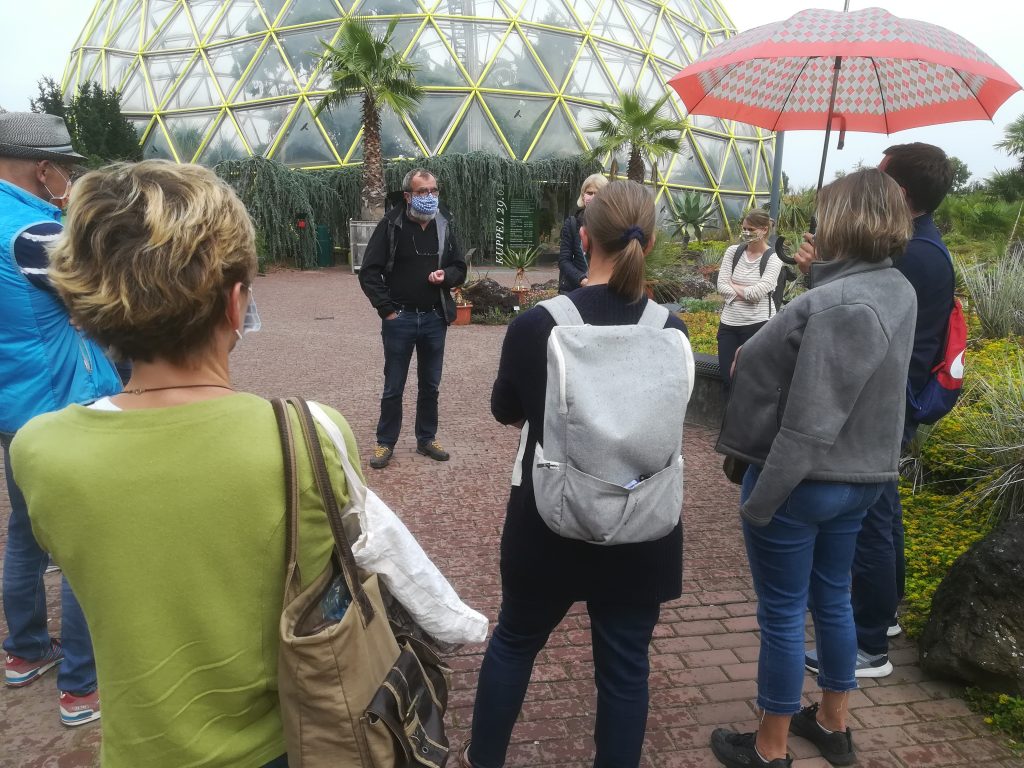
In May 2019 the projects BioVoices and BioBridges, together with BLOOM, invited to a full day workshop to discuss potentials and challenges of the bioeconomy. The overall aim of the workshop was to elaborate how a common understanding can be achieved to foster bioeconomy implementation and identify specific solutions and strategies.
After keynote speeches on the topics of standardization, market development, products & consumer needs, public procurement and the public’s perception on bioeconomy, the participants discussed solutions on the following questions:
- how to tackle challenges like standardization and regulations,
- how to target local markets and to design suitable business models
- how to measure and address bioeconomy’s environmental effects
- how to improve the public’s perception of bioeconomy.
It became clear that there is no common definition of bioeconomy in the EU and that it is perceived as a very diffuse theme, which can have a disabling effect. A standardization of norms and values, however, is of especial importance to the success of the EU’s strategy on bioeconomy. Furthermore, the public awareness of the concept and its existing standards should be increased essentially. Initiatives on bioeconomy should be designed to allow for effective participation processes and politics should set a frame to bioeconomy intended to be a signal for the research and industry sectors. Campaigns that target the broader public should set a basis for creating a market for bio based products and offering education and participation of young people is of equal importance. In order to sustainably anchor the topic of bioeconomy in both the industry and society, awareness must be created in politics as well as in business and in civil society – locally, regionally and nationwide.
The potential solutions to current challenges and concrete actions identified by participants included setting up the staff unit of a bioeconomy manager with a clear mandate reflecting political will and policy choices, launching a campaign to accompany a comparative purchasing of normal plastic and bioplastic packaging, a lecture series at a university to shed light on various facets of the bioeconomy and discuss content, procedures and product innovations with interested citizens, a ‚bio-based parade (exhibition)‘ to draw attention to innovative products and a competition between municipalities for the ‘Bioeconomy community of the Year’ with award ceremony, just to name a few. Last but not least initiating a citizen science project in which the research question is generated according to the needs of civil society was brought up as well. A possible topic was already identified: Comparative composting experiments with different packaging materials, in which schools or even kindergardens could provide the “researchers” – or the research question how the consumer behaviour changes after receiving relevant information. Finally, the participants emphasized the importance to offer information step by step instead of overwhelming the people with a mass of information.
Laura Steinhaus, WILA Bonn